How Online Therapy Can Help With Anxiety
How Online Therapy Can Help With Anxiety
If you've been feeling anxious, worried, or on edge most days, you're not alone. Anxiety is one of the most common mental health concerns, affecting about 1 in 3 adults at some point in their lives. The good news is that effective treatments are available, and online therapy makes it easier than ever to get help.
At Santana Mental Health Services, board-certified psychiatrists and psychiatric nurse practitioners provide care for anxiety through comprehensive evaluations and evidence-based treatment, offered both in person and through secure telehealth across Florida and North Carolina.
What Is Generalized Anxiety Disorder?
Generalized anxiety disorder (GAD) is more than just occasional worry. It involves excessive anxiety and worry about everyday things like work, health, family, or finances that occurs more days than not for at least 6 months. The worry feels hard to control and often interferes with daily life.
Common symptoms include:
Feeling restless, keyed up, or on edge
Getting tired easily
Trouble concentrating or your mind going blank
Irritability
Muscle tension
Sleep problems (trouble falling asleep, staying asleep, or restless sleep)
In children and teens, anxiety often shows up as excessive worry about school performance, sports, or being on time. They may seek constant reassurance, redo tasks because they're not "perfect enough," or complain of stomachaches and other physical symptoms.
In adults, the worry typically focuses on job responsibilities, finances, health, family safety, or even minor matters like household chores or being late. Many people with GAD report feeling anxious their whole lives.
What makes GAD different from normal worry is that the anxiety is out of proportion to the actual situation, lasts longer, happens without a clear trigger, and comes with physical symptoms. It also significantly interferes with work, relationships, or other important parts of life.
How Online Therapy Works
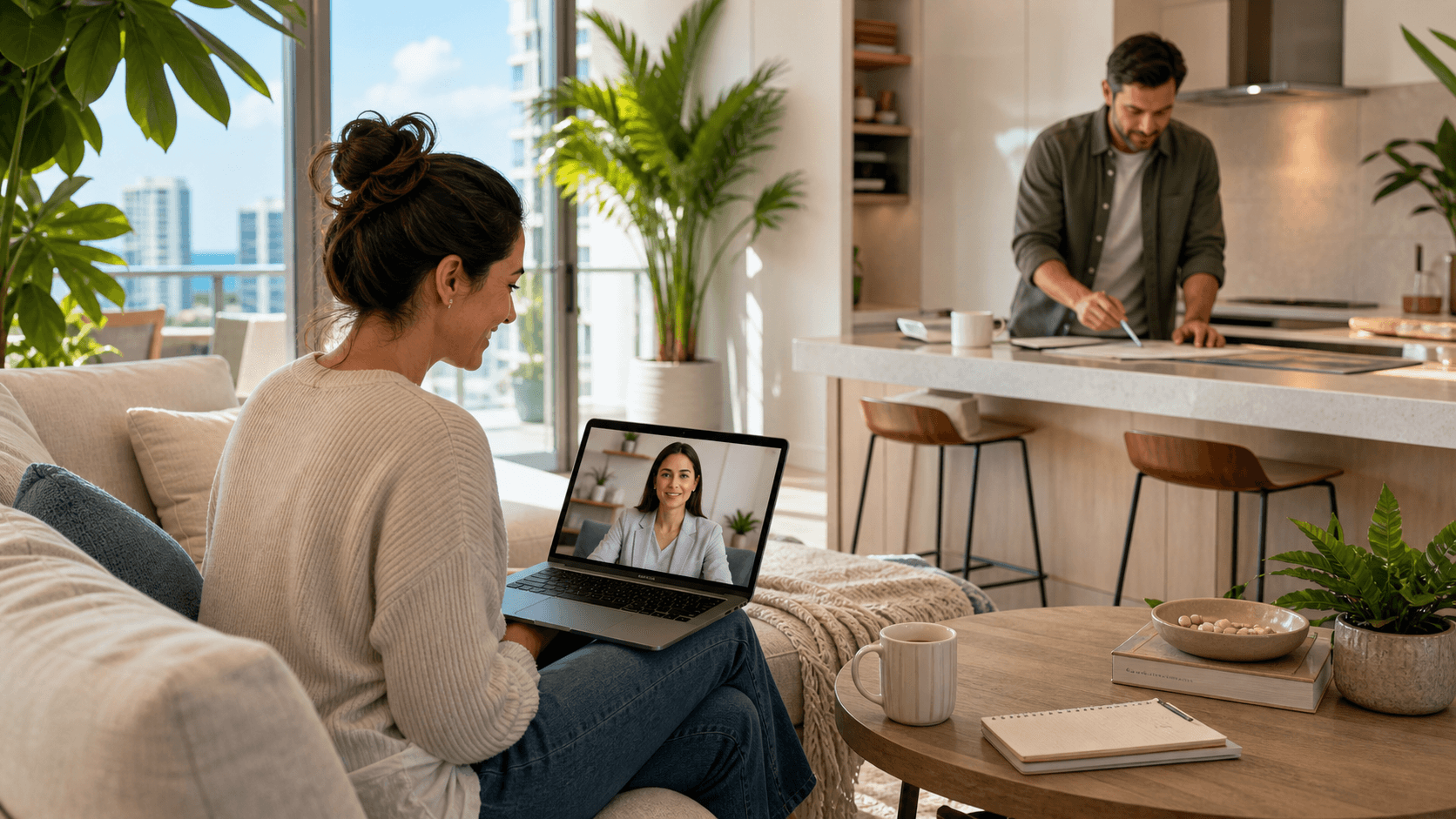
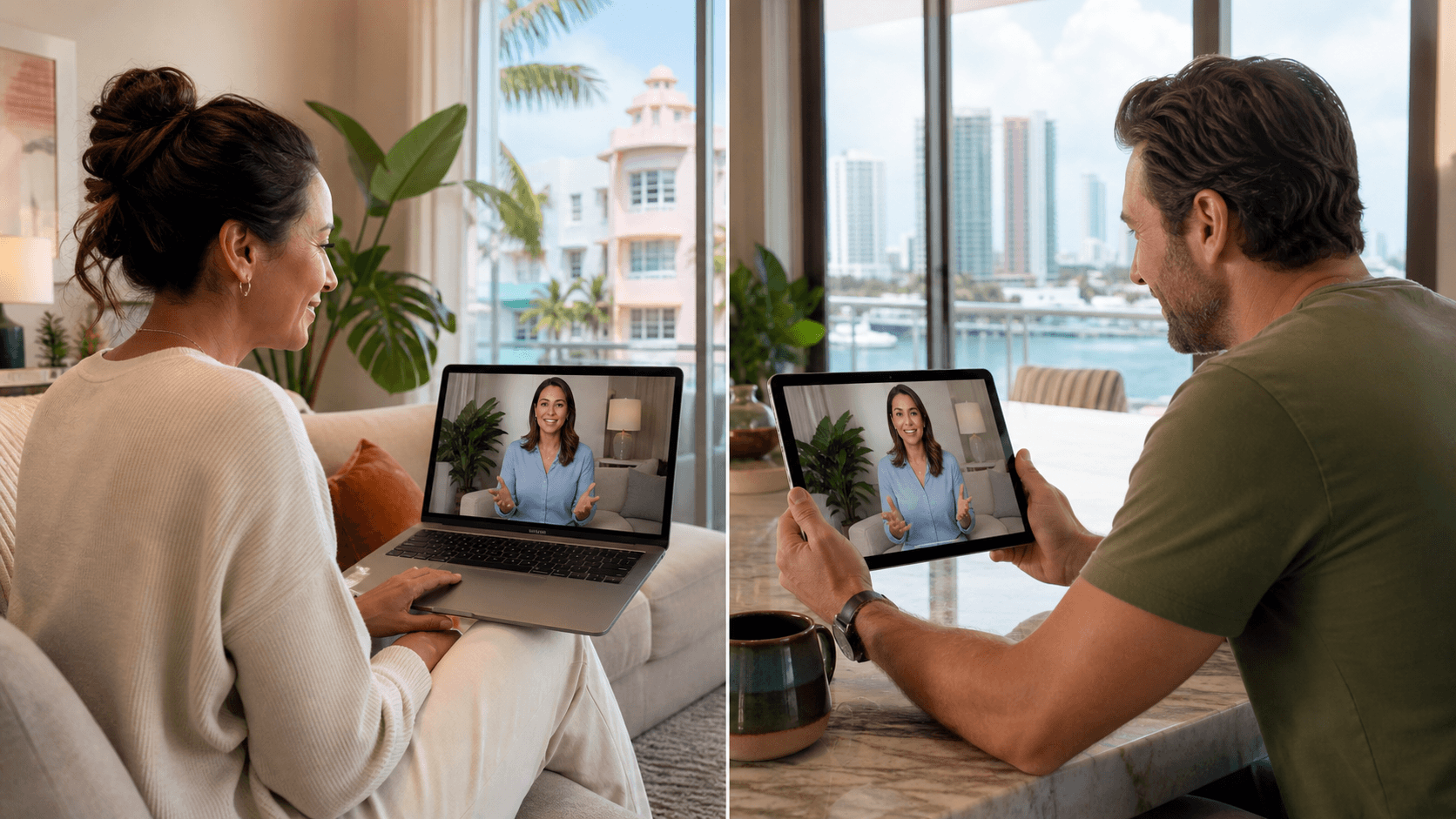
Online therapy (also called telehealth or teletherapy) means meeting with a mental health provider through secure video instead of going to an office. You can connect from home, work during a lunch break, or any private location with internet access.
Research shows that online therapy works just as well as in-person therapy for anxiety. Multiple studies have found that people who receive therapy through video have similar improvements in anxiety symptoms compared to those who attend face-to-face sessions.
Benefits of online therapy include:
No travel time or transportation barriers
More flexible scheduling around work, school, or family responsibilities
Ability to connect from a comfortable, familiar environment
Easier to maintain regular appointments even when life gets busy
Continuity of care if you move or travel
Many people find it easier to open up when they're in their own space rather than in an unfamiliar office. For teens especially, connecting from their own room can feel more natural and comfortable.
What Treatment Options Are Available?
Cognitive Behavioral Therapy (CBT)
CBT is the most well-researched and effective therapy for generalized anxiety disorder. It typically involves 8 to 16 weekly sessions where you learn practical skills to manage anxiety.
CBT includes three main components:
Education about how anxiety works and how thoughts, feelings, and behaviors are connected
Cognitive restructuring to identify anxious thoughts (like catastrophizing or overestimating danger) and learn to reframe them in more realistic ways
Exposure to gradually face situations you've been avoiding, which helps reduce anxiety over time
Research shows that CBT produces large improvements in anxiety symptoms, and the benefits last long after treatment ends. Studies found that people who completed CBT for GAD maintained improvements 3 to 12 months later.
Internet-Based CBT
Internet-based CBT (iCBT) uses online programs with support from a therapist. Research shows it's effective for reducing anxiety, with studies finding moderate to large improvements in worry and anxiety symptoms. Some programs allow you to work through materials at your own pace between video sessions with your therapist.
Medication
For some people, medication combined with therapy provides the best results. First-line medications for GAD include:
SSRIs (selective serotonin reuptake inhibitors) like sertraline or escitalopram
SNRIs (serotonin-norepinephrine reuptake inhibitors) like venlafaxine or duloxetine
These medications typically take 2 to 4 weeks to start working, with continued improvement over the following weeks. Your doctor will start with a low dose and adjust as needed based on how you respond and any side effects.
Other options include buspirone or pregabalin as second-line treatments. While benzodiazepines can reduce anxiety quickly, they're generally not recommended for long-term use due to risks of dependence and side effects.
Combined Treatment
Some research suggests that combining CBT with medication may be more effective than either treatment alone, especially for moderate to severe anxiety.
What to Expect From Online Therapy Sessions
Initial Evaluation
Your first appointment will be a comprehensive assessment where your provider will:
Ask about your anxiety symptoms and how long you've been experiencing them
Review your medical and mental health history
Discuss how anxiety is affecting your daily life, work, relationships, and sleep
Screen for other conditions like depression or substance use
Develop a personalized treatment plan based on your specific needs
Your provider may use a brief questionnaire called the GAD-7 to measure the severity of your anxiety symptoms. This same tool can track your progress over time.
Ongoing Therapy Sessions
Regular therapy sessions typically last 45 to 60 minutes and focus on:
Learning and practicing anxiety management skills
Identifying and changing unhelpful thought patterns
Gradually facing feared situations
Problem-solving current stressors
Tracking your progress and adjusting the treatment plan as needed
Between sessions, you'll often have "homework" to practice the skills you're learning. This practice is an important part of making lasting changes.
Medication Management
If medication is part of your treatment plan, you'll have regular follow-up appointments to:
Monitor how the medication is working
Check for side effects
Adjust the dose if needed
Discuss any concerns or questions
Most people continue medication for at least 6 to 12 months after their symptoms improve to reduce the risk of anxiety returning.
When to Seek Help
Consider reaching out to a mental health provider if:
You worry excessively about multiple things most days
The worry feels difficult to control
Anxiety interferes with work, school, relationships, or daily activities
You experience physical symptoms like muscle tension, fatigue, or sleep problems
You avoid situations because of anxiety
You use alcohol or other substances to cope with anxiety
You don't need to wait until anxiety becomes severe. Early treatment often leads to better outcomes and can prevent symptoms from getting worse.
Getting Started With Online Therapy
To begin:
Contact a mental health practice that offers telehealth services
Schedule an initial evaluation
Ensure you have a private space and reliable internet connection for video appointments
Prepare to discuss your symptoms, concerns, and treatment goals
Bring a list of any current medications
During your first session, your provider will take time to understand your specific situation and work with you to create a treatment plan that fits your needs and preferences. There's no pressure to have everything figured out—the first step is simply sharing what you've been experiencing.
At Santana Mental Health Services, our board-certified providers understand that fitting mental health care into a busy schedule can be challenging. Online therapy offers the flexibility and privacy that make it easier to get the help you need. Treatment for anxiety is effective, and you don't have to manage it alone.
If you're ready to take the next step, reach out to schedule an evaluation. Whether you prefer online or in-person care, we're here to provide evidence-based treatment that can help you feel more in control and less overwhelmed by anxiety.