How Telehealth Psychiatry Can Support Recovery in Florida
Starting treatment for substance use can feel difficult even before logistics get in the way. Time off work, transportation, and time spent in waiting rooms are common barriers to that first appointment. Telehealth psychiatry offers another way to connect with care, so an evaluation can take place from a private location at home, at work, or elsewhere.
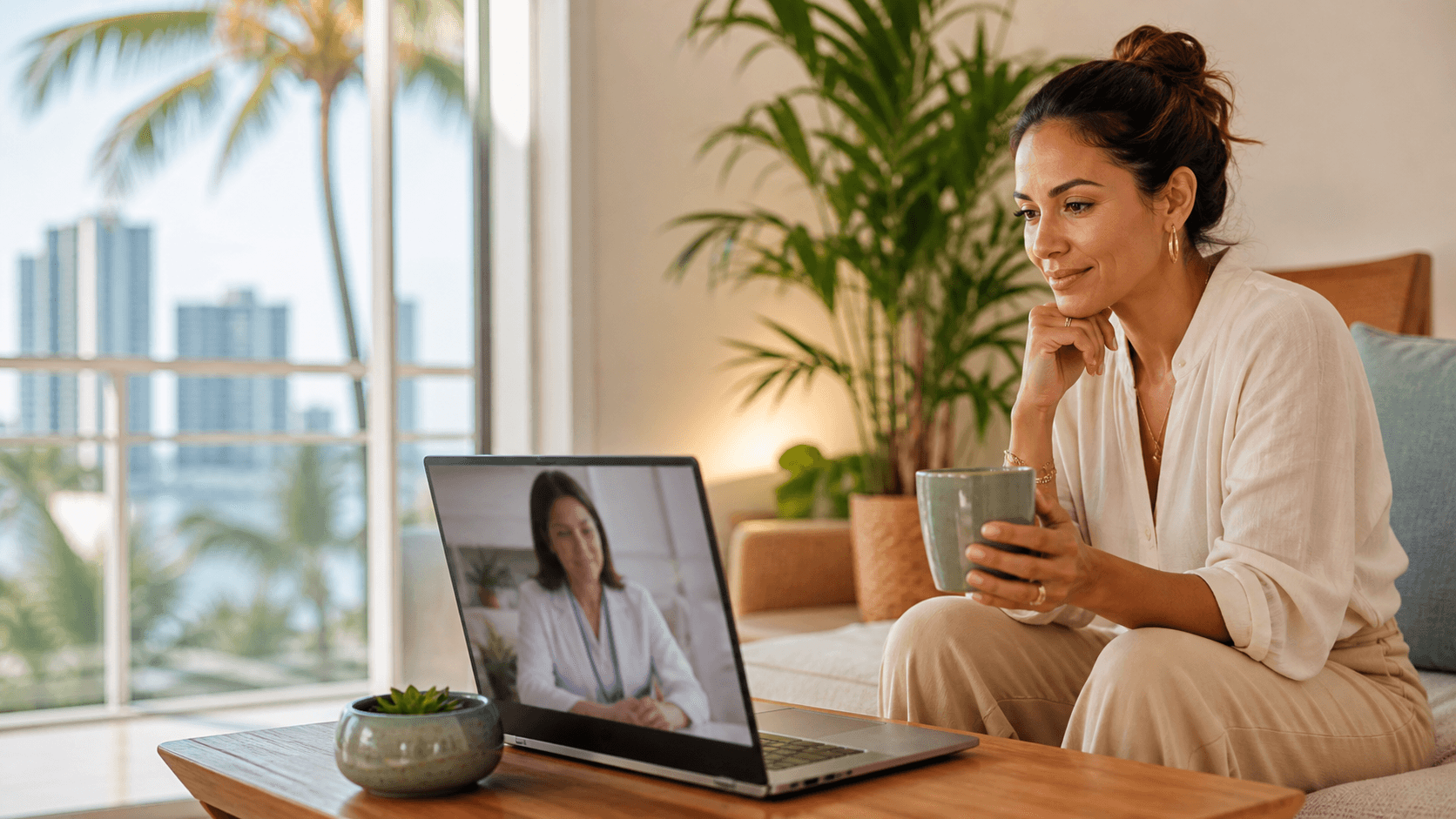
Telehealth (also called telemedicine) psychiatry means meeting with a licensed psychiatrist by secure video rather than in an office. It is a real clinical visit with a physician, conducted through a screen. For people concerned about alcohol, drugs, or prescription medication use, this format can lower some of the most common barriers to beginning treatment. National organizations, including the American Society of Addiction Medicine, support telehealth as one way to expand access to evidence-based addiction care.
Santana Mental Health Services offers board-certified psychiatric care for children, teens, and adults, both online and in person, across Florida. Care addresses substance use concerns alongside mood and anxiety conditions, which frequently occur together and are best evaluated by a qualified clinician.
Why telemedicine psychiatry can fit real life in Florida
Work hours, traffic, caregiving, and long distances between cities can make in-person visits hard to keep. Telehealth is designed to work around these realities. Reported advantages of virtual behavioral health visits include greater convenience, scheduling flexibility, privacy, and no commute or waiting-room time.
Privacy is a common concern in substance use care. Telehealth allows a person to meet with a psychiatrist from a private, quiet space of their choosing, which can reduce worry about being recognized - a concern often raised in smaller communities and college towns.
Telehealth may be especially helpful for people in rural or coastal areas where local services are limited, and it can sometimes maintain continuity of care when weather or travel disrupt in-person visits. Access can depend on reliable internet or phone service, so audio-only visits are also recognized as a legitimate option when video is not feasible.
What to expect from telehealth care for substance use
Understanding the process can make a first appointment feel less stressful. Because substance use disorders are medical conditions, diagnosis and any treatment decisions are made by a licensed clinician after a formal evaluation — not something a person determines or manages on their own.
A first visit is a clinical assessment that typically includes:
- A discussion of current concerns and what prompted seeking care
- Review of medical, mental health, and substance use history
- A conversation about goals and priorities
- Review of what has and has not been helpful previously
After the evaluation, the psychiatrist works with the patient to develop an individualized treatment plan. Depending on the clinical picture, this may include medication, referrals for therapy, coordination with other clinicians, or a recommendation for a higher level of care. The purpose is a nonjudgmental, evidence-based assessment of needs and options.
Medication for addiction - prescribed and monitored by a clinician
For alcohol use disorder and opioid use disorder, medication is an evidence-based, first-line treatment component for many patients. Decisions about whether medication is appropriate, which medication to use, and how to dose it are made by a qualified prescriber; medications for addiction are not started or adjusted by patients on their own. Through secure visits, a psychiatrist can review the risks and benefits of medication options, prescribe when clinically appropriate and permitted, monitor response and side effects, and adjust the plan over time.
Prescribing of controlled medications through telehealth is governed by federal and state law, including the Ryan Haight Act, and these rules continue to evolve. A psychiatrist follows the applicable regulations for the patient's location, which in some circumstances may require an in-person evaluation. Ongoing follow-up visits allow the clinician to monitor cravings, triggers, and progress; address stressors or setbacks; and manage co-occurring mood, anxiety, or trauma-related symptoms.
Treating co-occurring conditions together
Substance use often occurs alongside depression, anxiety, or past trauma. Research supports integrated treatment that addresses both the substance use disorder and the co-occurring mental health condition at the same time, with better outcomes than treating either alone. A clinician can determine whether an integrated approach is appropriate and coordinate the components of care.
Safety, privacy, and quality standards
It is reasonable to ask whether telehealth psychiatry is safe and legitimate. Psychiatrists providing care in Florida must hold appropriate state licensure, and board-certified psychiatrists meet national training and examination standards. Reputable telehealth practices use secure, HIPAA-compliant platforms, and substance use records carry additional privacy protections under federal law.
Telehealth is not appropriate for every situation. A clinician may determine that in-person care or a higher level of support is needed - for example, in cases of significant or unstable withdrawal, a medical or psychiatric emergency, safety concerns involving harm to self or others, or a need for medically supervised detoxification, residential treatment, or hospital care. If any of these apply, or if symptoms worsen between visits, contact a clinician promptly; in an emergency, call 911 or the 988 Suicide and Crisis Lifeline. A telehealth psychiatrist can help identify the right level of care and support the transition, and can stay involved before or after higher-intensity treatment.
Choosing a telehealth psychiatrist for recovery
When looking for a telehealth psychiatrist for substance use care, it can help to consider a clinician's training and experience in addiction treatment, comfort with medication for addiction when appropriate, willingness to address co-occurring depression, anxiety, or trauma, and a clear, respectful communication style. Practical questions worth asking include how often visits will occur, how prescriptions and refills are handled through telehealth, what to do if symptoms worsen between appointments, and how the practice coordinates with a primary care physician, therapist, or treatment program.
Because substance use affects families, a practice that serves children, teens, and adults can support more than one family member when needed. Santana Mental Health Services provides across-the-lifespan care with telehealth and in-person options in Florida and North Carolina.
Taking the next step
Preparing for a first visit can make it easier. It may help to bring a list of current medications and any substances used, along with recent stressors or life changes, so the clinician has the information needed for an accurate assessment. Involving a trusted family member or partner - with the patient's consent - can also provide support.
Santana Mental Health Services offers evidence-based care for substance use, mood, and anxiety concerns through telemedicine psychiatry in Florida. To learn whether telehealth is a good fit, reach out to confirm availability in your area and schedule an evaluation with a licensed clinician.
Take The Next Step Toward Better Mental Health Today
If you are ready for convenient, private care that fits your schedule, our team at Santana Mental Health Services is here to help. Learn how our telemedicine psychiatry in Florida can support your goals with evidence-based treatment tailored to you. We will work with you to create a plan that respects your time, lifestyle, and privacy. Have questions or want to schedule an appointment now? Simply contact us to get started.